
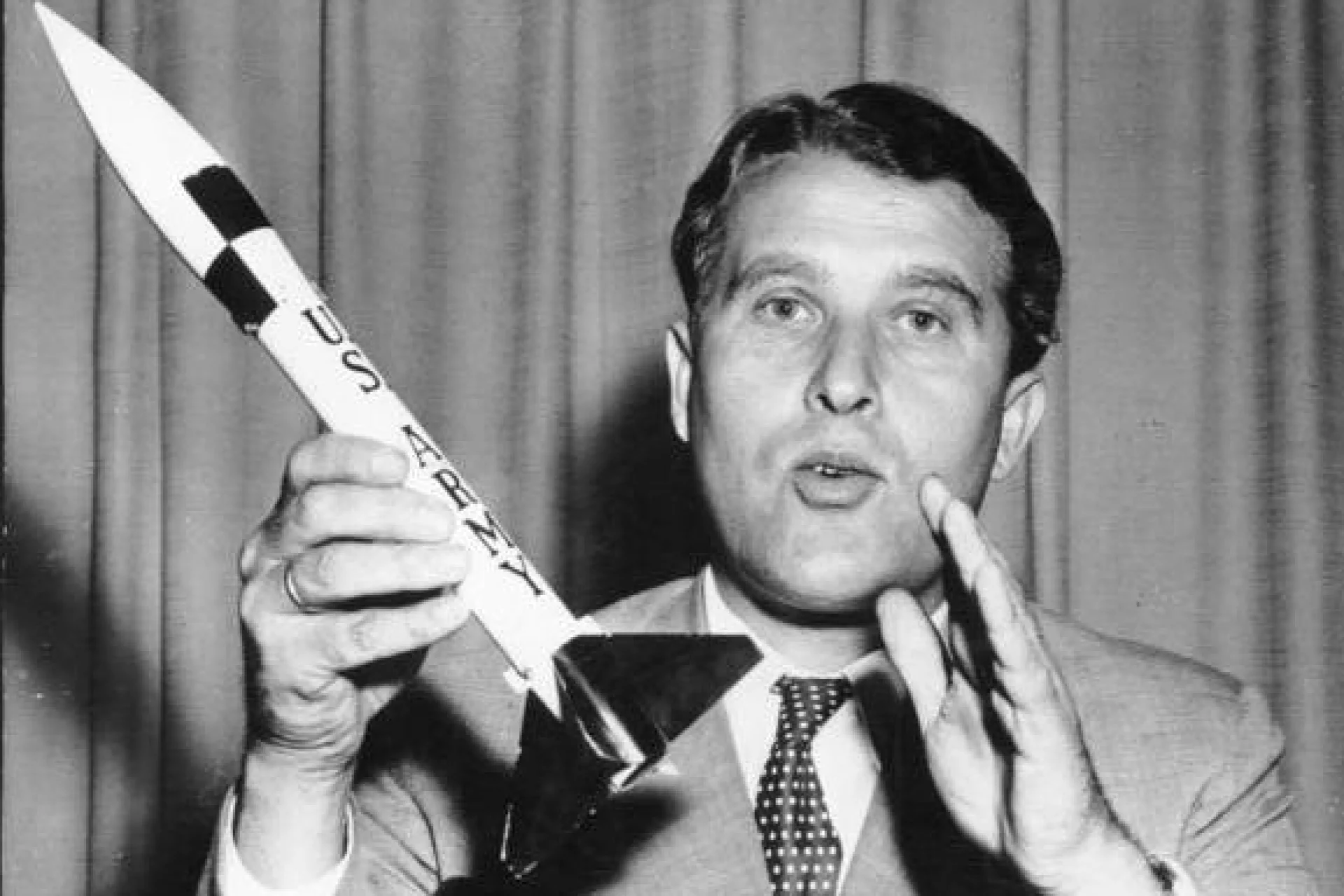
 Photo: Bundesarchiv, Bild 183-64549-0022 / Wikimedia Commons / License: CC BY-SA 3.0
Wernher von Braun was one of the most influential rocket engineers of the 20th century. In Nazi Germany, he became a leading figure in the development of the V-2 rocket, the world's first operational long-range ballistic missile. After World War II, he continued his career in the United States and became one of the key figures behind the development of the Saturn V rocket that sent American astronauts to the Moon.
His life connects the history of the V-2, Nazi Germany, forced labor, the Cold War and the Space Race.
Wernher von Braun was born in Wirsitz, Germany, in 1912. From an early age, he was fascinated by space travel and rocketry.
During the 1930s, he became involved in the German military's rocket development program. His team worked on increasingly powerful liquid-fueled rockets at Peenemünde on the Baltic coast.
The most important result of this work was the Aggregat 4 (A4), later known as the V-2.
At Peenemünde, von Braun worked with a large team of engineers, scientists and technicians to develop the V-2 rocket.
The A4 was designed as a long-range weapon capable of carrying a warhead hundreds of kilometers. It eventually became the world's first ballistic missile to be used in combat.
The first V-2 attacks against Allied targets began in 1944. Rockets were launched against cities including London and Antwerp.
Von Braun and his team achieved major technological breakthroughs, but the development of the V-2 was inseparable from the Nazi military system and its increasingly brutal war effort.
One of the darkest aspects of the V-2 program was its use of forced labor.
From 1943, large-scale V-2 production was moved underground to the Mittelwerk factory near Nordhausen. Production was carried out by prisoners from the nearby Mittelbau-Dora concentration camp.
The prisoners worked under extremely harsh conditions. Thousands died from starvation, disease, exhaustion, abuse and executions.
The V-2 therefore represents a fundamental contradiction in von Braun's legacy: a remarkable technological achievement was produced within a system of war, persecution and forced labor.
Von Braun visited the Mittelwerk and was aware of the conditions under which the rockets were being produced. His exact responsibility and knowledge regarding individual crimes remain subjects of historical discussion, but his involvement with the Nazi rocket program and the Mittelwerk system is an essential part of his biography.
As Allied forces approached in 1945, the German rocket program began to collapse.
Von Braun and members of his team left the area around Peenemünde and eventually moved south. In May 1945, von Braun and his colleagues surrendered to American forces.
The United States subsequently brought von Braun and many other German rocket specialists to America as part of Operation Paperclip.
In the United States, von Braun continued working on rocket technology.
Initially, his work focused heavily on military applications and the development of powerful launch vehi
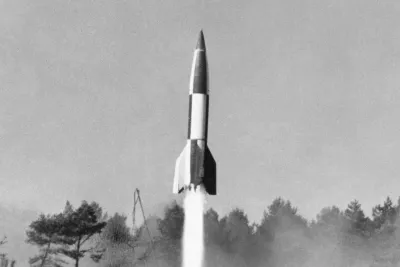
Discover the history of the V-2 rocket, Nazi Germany's revolutionary World War 2 ballistic missile, from Peenemünde and Mittelbau-Dora to its impact on modern rocketry.
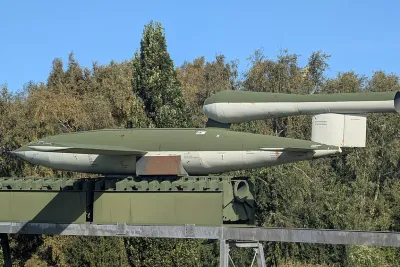
Explore Peenemünde, the birthplace of rocket technology during WW2. Discover its complex history and impact at this crucial German site.
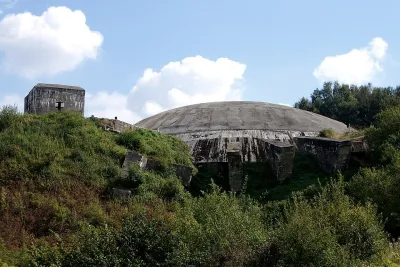
Explore La Coupole in Wizernes, France, a colossal underground WWII V-2 bunker. Understand its history, the human cost, and Allied efforts against Hitler's 'Vengeance Weapons'.
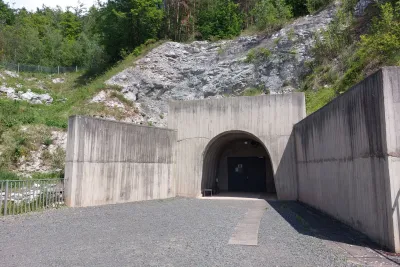
Visit Gedenkstätte Mittelbau-Dora, a WWII concentration camp where prisoners built V-2 rockets. A powerful memorial for remembrance and historical insight.
Plan your World War II trip with guides to museums, battlefields, memorials and historic sites worldwide. Discover the best WWII locations for your next tour.