
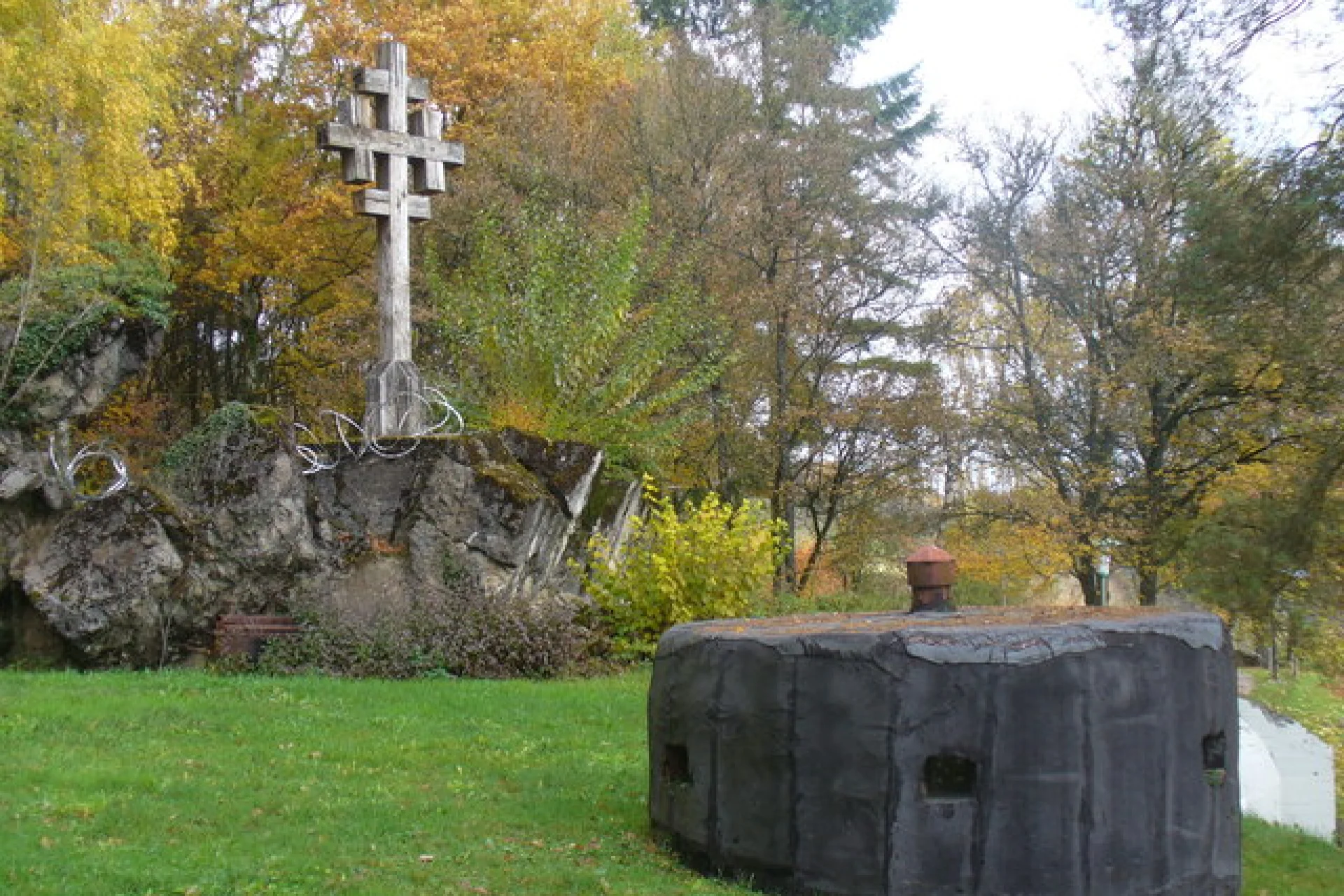
 Photo: Colin Smith / Wikimedia Commons / License: CC BY 2.0
Standing at the Westwall-Museum Katzenkopf is to stand on the very ground where history was forged and endured. Deep within the earth near Irrel, Germany, this preserved segment of the formidable Siegfried Line offers a rare and powerful glimpse into the strategic defenses and the desperate battles of World War II.
The Westwall, famously known to the Allies as the Siegfried Line, was an extensive system of German defensive fortifications stretching over 630 kilometers (390 miles) along the western border. Conceived in the 1930s, its construction began in earnest in 1936, a monumental undertaking involving millions of cubic meters of concrete and steel. Unlike the more visually prominent Maginot Line, the Westwall was designed for depth, featuring a dense network of bunkers, pillboxes, tunnels, and tank traps. Its purpose was to deter any potential Allied invasion from the west and provide a defensive shield for Germany, allowing resources to be focused on other fronts.
For much of World War II, the Westwall served primarily as a psychological barrier, a silent promise of German resolve. However, its true, harrowing test came in late 1944 and early 1945. As Allied forces swept through France and Belgium, they encountered the full, brutal reality of the Siegfried Line. The Westwall-Museum Katzenkopf, a former combat bunker, was part of this intricate defense. Here, fierce and often prolonged battles erupted as American and other Allied troops sought to breach the German heartland. Soldiers on both sides faced unimaginable conditions, fighting house-to-house, bunker-to-bunker, amidst the cold, unforgiving landscape. The stubborn German defense along the Westwall, though ultimately overcome, significantly slowed the Allied advance and highlighted the immense human cost of war.
Today, the Westwall-Museum Katzenkopf is a chilling testament to the brutal realities of the Western Front. Visitors can explore a preserved part of the original bunker system, including its command post, crew quarters, and machine gun emplacements. Walking through the narrow, damp corridors, you can almost feel the presence of those who once lived and fought within these walls. The museum features original artifacts, photographs, and detailed explanations that illuminate the daily lives of soldiers, the strategic importance of the line, and the intense combat that took place here. It’s an authentic, unvarnished journey into a crucial chapter of the war.
For any traveler on a World War II history journey, the Westwall-Museum Katzenkopf offers a deeply humbling experience. It provides a tangible connection to one of history's most significant defensive lines, allowing you to walk in the footsteps of soldiers and truly grasp the scale and nature of the conflict. This site is not merely a museum; it is a monument to human resilience, sacrifice, and the enduring quest for peace. Visiting Katzenkopf is more than just seeing history; it's feeling it, understanding the human cost etched into every reinforced concrete wall, and undertaking a journey of profound reflection.
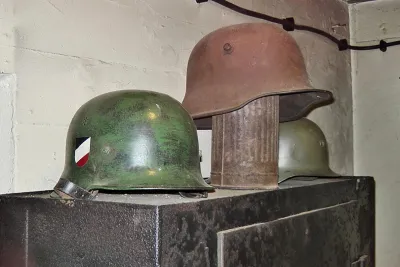
Step into the past at Westwallmuseum Konz. Explore original WWII bunkers and learn about the Siegfried Line's role in defending Germany. A vital historical journey.
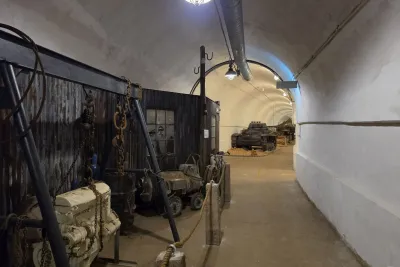
Explore Festungswerk Gerstfeldhöhe, a preserved bunker on the Westwall (Siegfried Line) near Pirmasens. Witness WWII history firsthand.
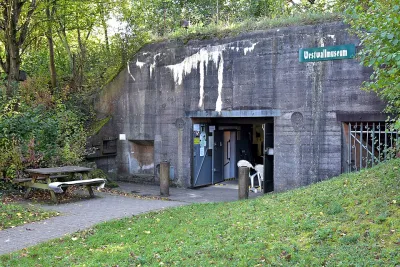
Step into history at Westwallmuseum Bad Bergzabern. Discover the formidable Siegfried Line, its role in WWII, and the human stories behind Germany's Western Front.
Plan your World War II trip with guides to museums, battlefields, memorials and historic sites worldwide. Discover the best WWII locations for your next tour.