
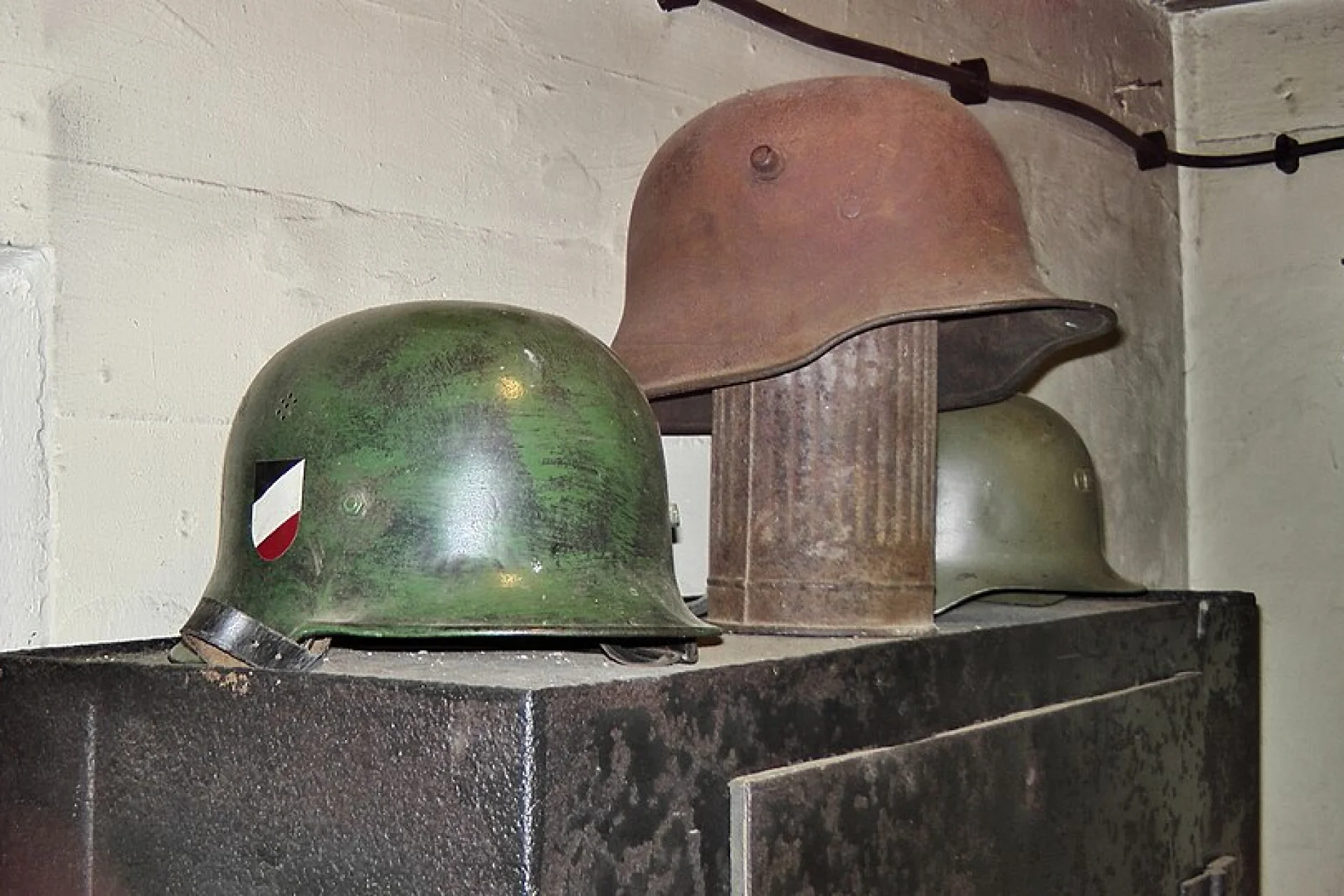
 Photo: Helge Klaus Rieder / Wikimedia Commons / License: CC BY 2.0
Along Germany’s western frontier, a vast, silent sentinel once stretched for hundreds of kilometers: the Westwall, famously known to the Allies as the Siegfried Line. Far more than just a defensive structure, it was a symbol of German military preparedness and a formidable challenge to any invading force. Today, the Westwallmuseum Konz offers an unparalleled opportunity to step directly into this intricate network, experiencing the stoic reality of World War II's forgotten front.
The Westwall, constructed primarily between 1936 and 1940, was a monumental undertaking designed to protect Germany's western border from potential invasion. Comprising over 18,000 bunkers, tunnels, tank traps (dragon's teeth), and observation posts, it was a colossal engineering feat. The section near Konz, strategically located along the Moselle River, formed a crucial part of this defensive belt, intended to deter or delay an attack long enough for German forces to mobilize. Unlike the highly publicized Maginot Line, the Westwall was often seen as a less sophisticated but equally formidable counterpart, blending into the natural terrain.
During the early years of World War II, the Westwall remained largely quiet, serving primarily as a staging area or a defensive fallback. However, its true test came in late 1944 and early 1945. As Allied forces pushed into Germany following the Normandy landings and the Battle of the Bulge, they encountered the Westwall’s formidable defenses. The region around Konz became a scene of intense fighting, as American units, in particular, faced the daunting task of breaching these heavily fortified positions. The struggle for the Westwall was brutal, marked by tenacious resistance from German defenders and immense challenges for the attacking forces, highlighting the grim realities of trench and bunker warfare.
The Westwallmuseum Konz is uniquely situated within a preserved section of the original fortifications. Stepping inside, visitors are immediately transported back in time. The air grows cooler, the light dims, and the confined spaces of the bunkers, command posts, and living quarters come alive. You can walk through underground passages, inspect original weaponry, communication equipment, and personal effects of the soldiers who manned these positions. The museum painstakingly recreates the atmosphere, allowing you to sense the isolation, the constant tension, and the harsh conditions faced by those within the concrete walls. This immersive experience offers a profound understanding of the engineering, strategy, and human stories behind the Siegfried Line.
A visit to Westwallmuseum Konz is an essential pilgrimage for anyone seeking to understand the vast scale and personal toll of World War II. It provides a tangible link to a significant, yet often overlooked, chapter of the conflict. By walking these cold, concrete corridors, you gain a deep appreciation for the strategic importance of the Westwall and the sacrifices made on both sides. It’s a place of quiet reflection, offering a raw, unvarnished look at a defensive line that played a critical role in the final campaigns on the Western Front.
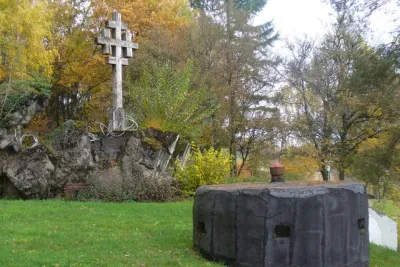
Explore the Westwall-Museum Katzenkopf in Irrel. Walk through original bunkers of the Siegfried Line and feel the legacy of World War II's Western Front.
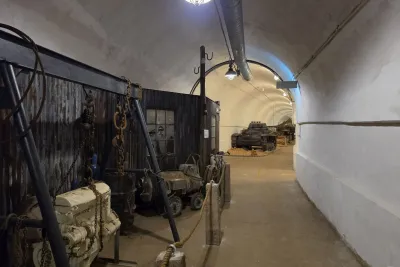
Explore Festungswerk Gerstfeldhöhe, a preserved bunker on the Westwall (Siegfried Line) near Pirmasens. Witness WWII history firsthand.
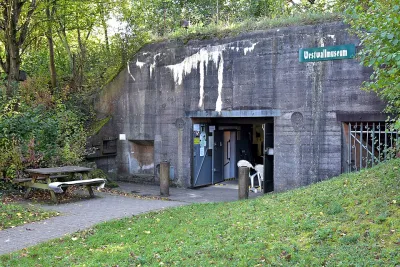
Step into history at Westwallmuseum Bad Bergzabern. Discover the formidable Siegfried Line, its role in WWII, and the human stories behind Germany's Western Front.
Plan your World War II trip with guides to museums, battlefields, memorials and historic sites worldwide. Discover the best WWII locations for your next tour.