
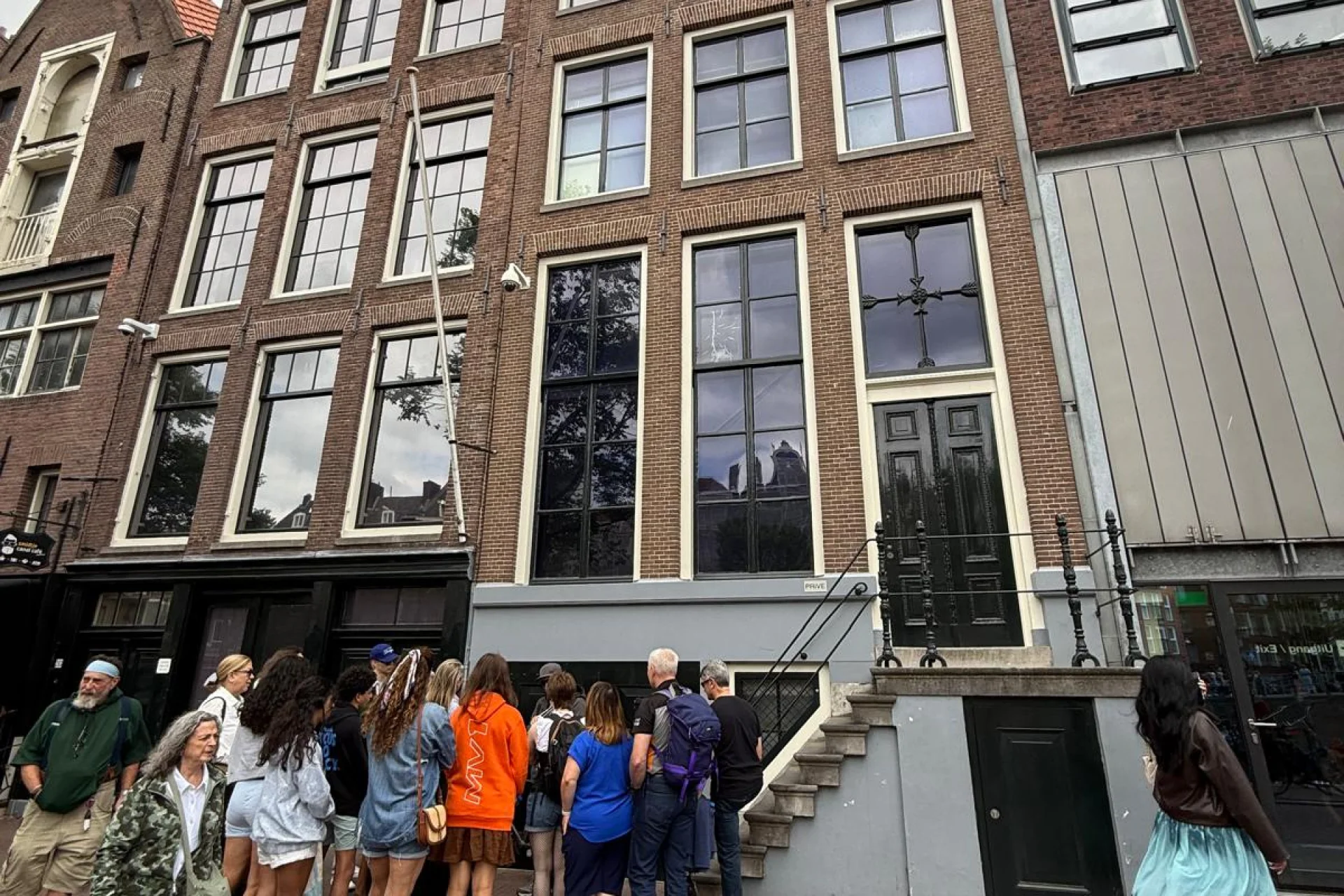
In the heart of Amsterdam, nestled along the Prinsengracht canal, stands a building that bore witness to one of history’s most profound personal stories of human resilience and persecution during World War II. As Nazi Germany tightened its grip on Europe, Amsterdam, like many occupied cities, became a dangerous place for its Jewish population. By July 1942, the systematic persecution and deportations were in full swing, forcing many to seek refuge in hidden places, away from the prying eyes of the occupiers.
It was within this very building, at Prinsengracht 263, that Anne Frank, her family, and four other people went into hiding. For over two years, from July 1942 to August 1944, they lived concealed in a secret annex behind a movable bookcase, reliant on the extraordinary courage of a few trusted helpers. Here, confined yet vibrant, Anne Frank meticulously documented her experiences, fears, hopes, and observations in her diary. Her words painted a vivid, intimate portrait of life under unimaginable stress, a testament to the enduring spirit of a young girl facing the darkest chapter of human history. The sanctuary was tragically discovered in August 1944, leading to the arrest and deportation of all those in hiding, including Anne.
The Anne Frank House transcends being merely a building; it is a profoundly significant historic site, a tangible link to the Holocaust and the human cost of Nazi occupation. It represents the millions who suffered and perished, while Anne's diary, retrieved and published by her father Otto Frank (the sole survivor), gave a unique and personal voice to the victims. The Secret Annex became a symbol of the struggle for survival, the horror of hidden life, and the devastating consequences of prejudice and intolerance. It serves as an enduring warning, reminding us of the fragility of freedom and the importance of defending human dignity.
Today, the Anne Frank House is a museum that carefully preserves the original hiding place. Visitors are invited to step into the actual rooms of the Secret Annex, experiencing the oppressive stillness and confined spaces that defined daily life for Anne and her companions. Walking through the very rooms, seeing the original bookcase and the marks Anne left on the wall, provides an incredibly powerful and somber experience. The museum also features historical documents, photographs, and film footage, offering context to the story of Anne Frank, her diary, and the Holocaust. It's a journey not just through space, but through a pivotal moment in human history, challenging visitors to reflect on themes of freedom, discrimination, and courage.
A visit to the Anne Frank House is an indispensable part of any World War II historical journey. It moves beyond military tactics and battlefields to the deeply personal human experience of war. It offers a unique opportunity to connect directly with the harrowing reality faced by civilians under occupation and persecution. Standing in the Secret Annex, you are not just reading history; you are feeling its weight, making the abstract numbers of the Holocaust intimately real. It is a profoundly moving experience that inspires empathy, promotes understanding, and reinforces the urgent lesson that such atrocities must never happen again. This site stands as a beacon for education, remembrance, and the enduring power of the human spirit.

Learn about Anne Frank's final months in Bergen-Belsen and her journey from Amsterdam through Westerbork and Auschwitz.
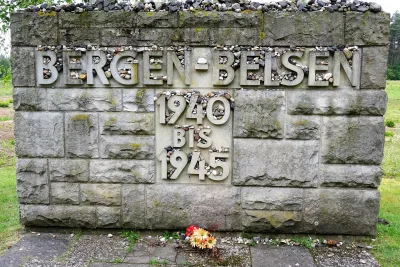
Visit Gedenkstätte Bergen-Belsen, a memorial and former concentration camp. Understand the poignant history of this WWII site of profound human tragedy.
Plan your World War II trip with guides to museums, battlefields, memorials and historic sites worldwide. Discover the best WWII locations for your next tour.