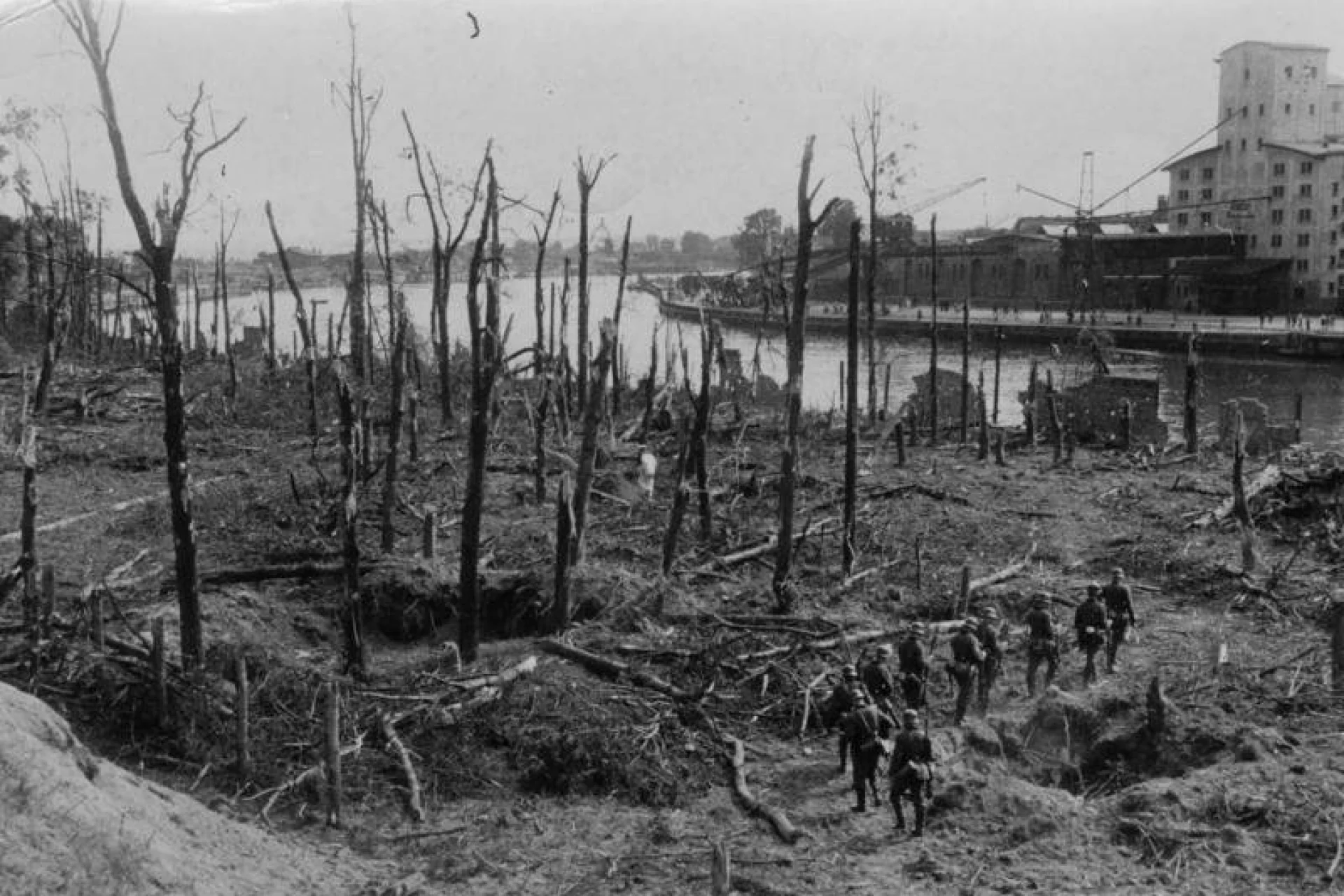
 Photo: Bundesarchiv, Bild 183-2008-0513-500 / Wikimedia Commons / License: CC BY-SA 3.0
Westerplatte stands as a solemn testament to the opening moments of World War II, a small Polish military transit depot that bravely resisted overwhelming German forces in September 1939. This seven-day defense marked the very first engagement of the war, symbolizing Poland's fierce but ultimately outmatched struggle against invasion. Today, it remains a poignant memorial to courage and sacrifice.
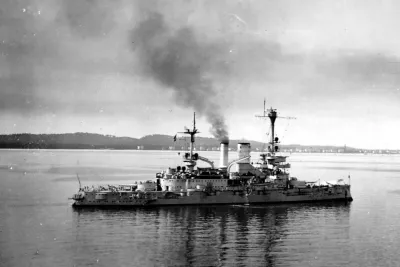
On September 1, 1939, at 04:45 AM, the German battleship Schleswig-Holstein opened fire on the Polish military outpost at Westerplatte, initiating what would become World War II. For seven days, a small garrison of approximately 200 Polish soldiers, commanded by Major Henryk Sucharski and Captain Franciszek Dąbrowski, courageously defended their position against relentless bombardments from sea and land, as well as ground assaults by over 3,000 German troops.
Under the terms of the 1920 Treaty of Versailles, Westerplatte was established as a Polish military transit depot within the Free City of Danzig, with a small garrison allowed to guard it. Surrounded by German territory and heavily outmatched in terms of manpower and firepower, the Polish defenders were expected to hold out for only a few hours. Their stubborn resistance, however, frustrated the German advance and inspired a nation under siege. Despite immense casualties and dwindling supplies, the Poles inflicted significant losses on the attackers before finally surrendering on September 7. The defense of Westerplatte became a powerful symbol of Polish defiance and heroism in the face of overwhelming aggression.
Today, Westerplatte is a powerful memorial and open-air museum. Visitors can walk the grounds where the battle took place, observing the ruins of barracks, guardhouses, and the demolished New Barracks, which serve as stark reminders of the intense fighting. The highlight is undoubtedly the towering Westerplatte Monument, a massive granite structure dedicated to the defenders, offering panoramic views of the Gdańsk Bay and a solemn atmosphere for reflection.
Informative plaques and outdoor exhibitions guide visitors through the events of the battle, providing context and honoring the soldiers' sacrifice. The Guardhouse No. 1 has been preserved and now houses a small museum, displaying artifacts, photographs, and personal stories from the defenders. The entire site evokes a profound sense of history, allowing one to connect with the very place where the world changed forever.
Westerplatte is easily accessible from Gdańsk city center. You can reach it by local bus (lines 106, 138), taxi, or a scenic boat trip from the Old Town port, which offers a unique perspective on the bay. Allow at least 2-3 hours to fully explore the site. Wear comfortable walking shoes, as you'll be covering considerable ground. The monument area is exposed, so be prepared for various weather conditions.
Consider visiting in the shoulder seasons (spring or autumn) to avoid summer crowds. Combine your visit with other WWII-related sites in Gdańsk, such as the Museum of the Second World War, to gain a comprehensive understanding of the region's wartime experience. Remember to approach the site with respect, honoring the memory of those who fought and fell here.
Plan your World War II trip with guides to museums, battlefields, memorials and historic sites worldwide. Discover the best WWII locations for your next tour.