
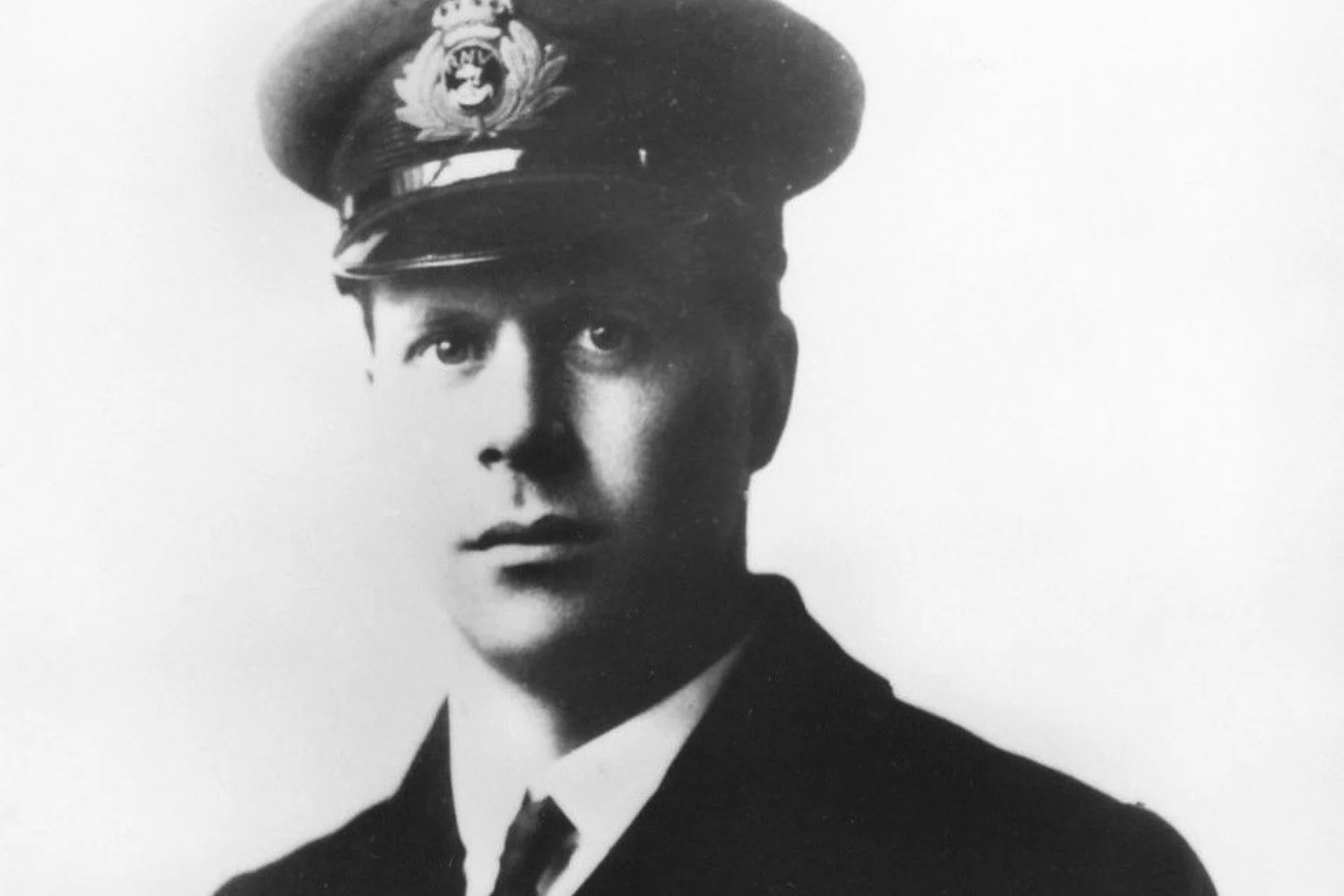
Sir Barnes Wallis was a British engineer, scientist and inventor whose work had a major impact on British military technology during the Second World War. He is best known for developing the Bouncing Bomb, the unusual weapon used by the Royal Air Force during Operation Chastise in 1943.
Wallis combined engineering, mathematics and practical experimentation to develop weapons and aircraft capable of solving highly specific military problems.
Barnes Neville Wallis was born on 26 September 1887 in Ripley, Derbyshire, England.
He initially trained as an apprentice in a shipyard before moving into engineering and later becoming involved in aircraft design. Wallis joined the aircraft manufacturer Vickers, where he worked on the development of airships and aircraft.
His early career gave him extensive experience with lightweight structures and aerodynamic design.
Before becoming famous for his wartime weapons, Wallis made important contributions to aircraft engineering.
He was closely involved in the development of the Vickers R100 airship during the 1920s. He later worked on aircraft using innovative geodetic construction techniques, including the Vickers Wellington bomber.
The geodetic structure gave the Wellington remarkable strength while keeping its weight relatively low. The aircraft became one of the most important British bombers during the early years of World War II.
During the Second World War, Wallis became interested in the problem of attacking heavily protected German dams.
The major dams of the Ruhr region were protected by anti-torpedo nets, making conventional torpedo attacks extremely difficult. Wallis developed an unconventional solution: a cylindrical bomb that could bounce across the surface of the water.
The weapon, known as Upkeep, was released from a specially modified Avro Lancaster at extremely low altitude.
After striking the water, the spinning bomb skipped toward the dam. When it reached the wall, it was designed to sink while remaining in contact with the structure before detonating underwater.
This became the famous Bouncing Bomb.
Wallis's invention was used during Operation Chastise on the night of 16–17 May 1943.
The mission was carried out by 617 Squadron, later known as the Dambusters.
The squadron attacked several German dams, including:
The Möhne and Eder dams were successfully breached, causing severe flooding and destruction downstream.
The operation demonstrated the effectiveness of Wallis's concept, but it also came at a heavy human cost. Several Lancaster bombers were lost and many airmen were killed.
Barnes Wallis continued developing large-scale weapons after Operation Chastise.
His later designs included the Tallboy and Grand Slam earthquake bombs. These enormous weapons were designed to penetrate hardened targets and underground structures before exploding.
The Tallboy, introduced in 1944, weighed approximately 12,000 pounds (5,400 kg). The even larger Grand Slam weighed approximately 22,000 pounds (10,000 kg).
Unlike the Bouncing Bomb, these weapons were designed primarily to attack heavily fortified targets, bridges, tunnels and other strategically important structures.
Barnes Wallis remained an important figure in British engineering after the Second World War. H
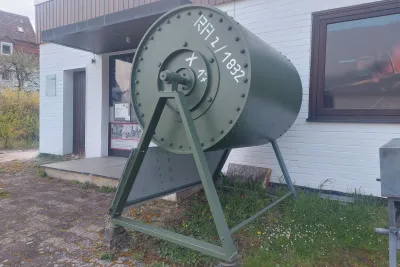
Discover the Bouncing Bomb developed by Barnes Wallis and used during Operation Chastise to attack the Möhne, Eder and Sorpe dams in 1943.
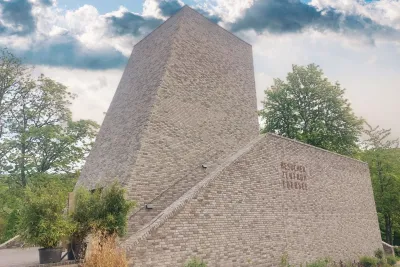
Explore the Edersee Visitor Center, a pivotal site targeted during the iconic Dam Busters raid of WWII. Discover its history, impact, and what to experience today.
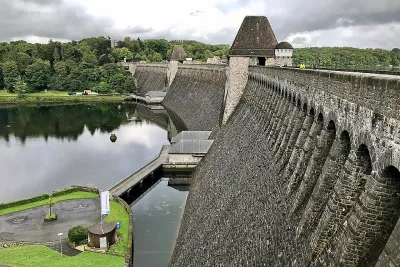
Explore the Möhne Dam, a pivotal WWII site targeted by the Dambusters raid. Feel the history and impact of Operation Chastise in Germany.
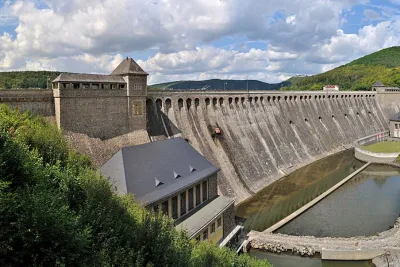
Visit the Eder Dam, a key target of the Dambusters Raid, and immerse yourself in its WWII history. Discover the strategic importance and engineering marvel in Germany.
Plan your World War II trip with guides to museums, battlefields, memorials and historic sites worldwide. Discover the best WWII locations for your next tour.