
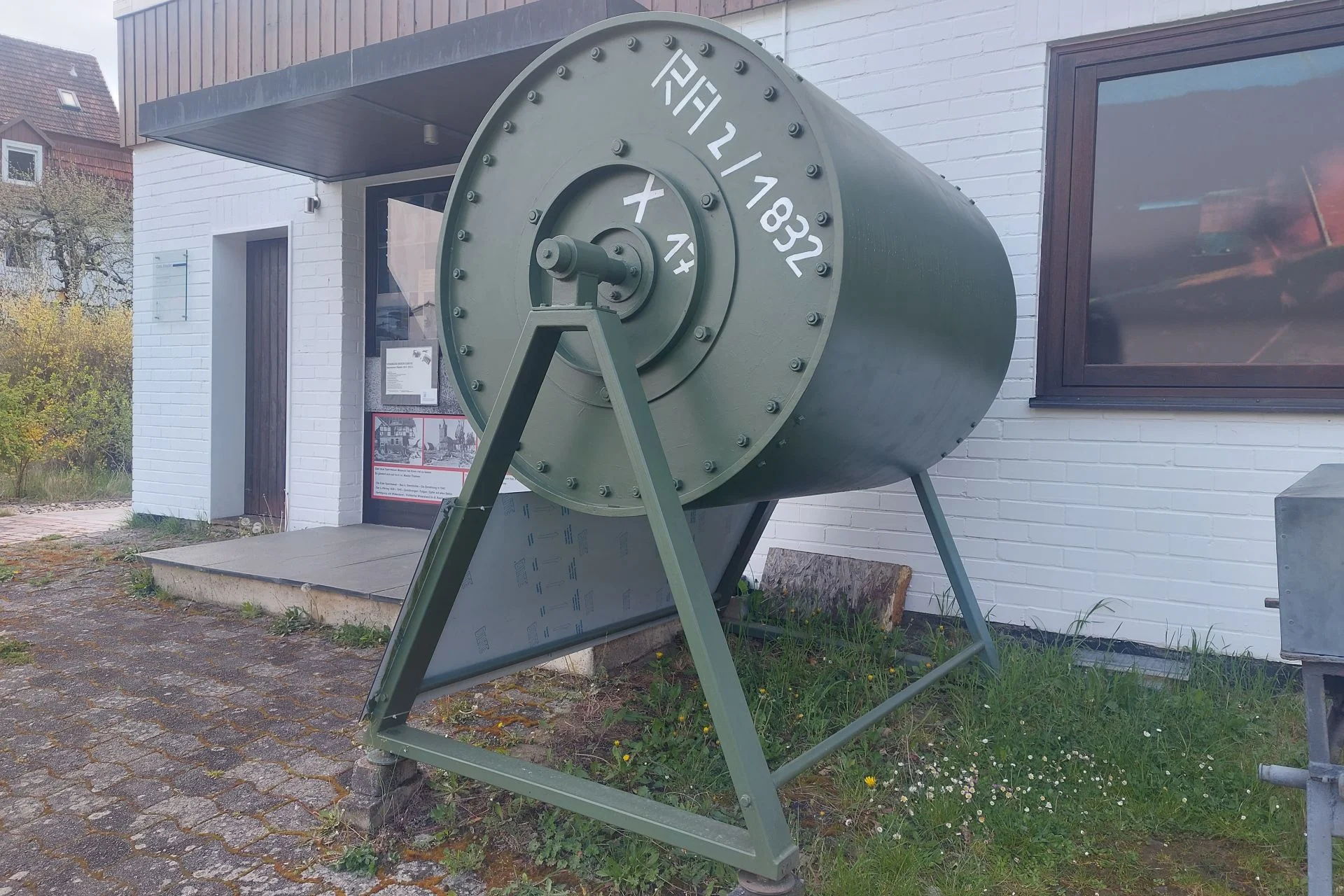
The Bouncing Bomb, officially known as Upkeep, was a unique British weapon developed during the Second World War by engineer Barnes Wallis. It was specifically designed to attack the large dams of Nazi Germany during Operation Chastise in May 1943.
Unlike a conventional bomb or torpedo, the Bouncing Bomb was designed to skip across the surface of the water. This allowed it to pass over the anti-torpedo nets protecting the dams before striking the dam wall.
Barnes Wallis recognized that conventional weapons faced major difficulties when attacking heavily protected dams. The solution was an unusual cylindrical bomb that could be released from a low-flying aircraft and bounce repeatedly across the surface of a reservoir.
The weapon was spun rapidly backwards before release. When it struck the water, its rotation caused it to bounce forward rather than immediately sink.
The bomb was designed to strike the dam wall, sink while remaining in contact with the structure and then detonate underwater. The resulting explosion created enormous pressure against the dam wall.
The Bouncing Bomb was used by 617 Squadron, a specially formed Royal Air Force unit that became known as the Dambusters.
On the night of 16–17 May 1943, specially modified Avro Lancaster bombers attacked several German dams.
The principal targets were:
The Möhne and Eder dams were successfully breached. The Sorpe Dam was attacked but was not breached.
The operation required extraordinary precision. The Lancaster crews had to fly at approximately 60 feet (18 metres) above the water and release the bomb at exactly the right distance from the target.
The Upkeep bomb was carried externally beneath specially modified Lancaster bombers. The bomb bay doors were removed to accommodate the weapon.
To help the crews maintain the required altitude, two spotlights were mounted underneath the aircraft. Their beams were adjusted so that they converged on the water when the Lancaster was approximately 60 feet above the surface.
A special triangular aiming device was also used to determine the correct release distance from the dam.
The combination of the weapon's unusual design and the precise low-level flying required made the mission exceptionally demanding.
The Bouncing Bomb became one of the most famous weapons of the Second World War and remains closely associated with Barnes Wallis, 617 Squadron and Operation Chastise.
The surviving Möhne and Eder dams are important historical sites where visitors can still see the enormous structures that were targeted during the 1943 raid.
For those interested in the history of Operation Chastise, these locations offer a direct connection to one of the most remarkable bombing operations of World War II.
Related: Barnes Wallis · Operation Chastise · 617 Squadron · Avro Lancaster · Möhne Dam · Eder Dam
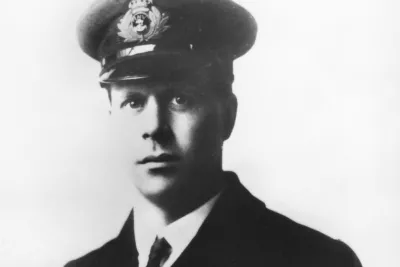
Discover Barnes Wallis, the British engineer behind the Bouncing Bomb, Tallboy and Grand Slam bombs and his role in Operation Chastise during World War 2.
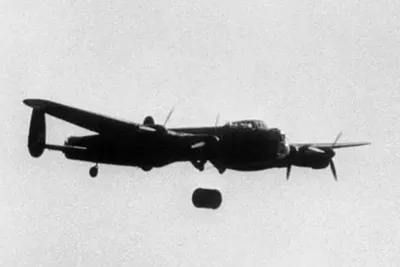
Learn about the Avro Lancaster B Mk.III used in Operation Chastise, the famous 1943 Dambusters Raid against the Möhne and Eder dams.
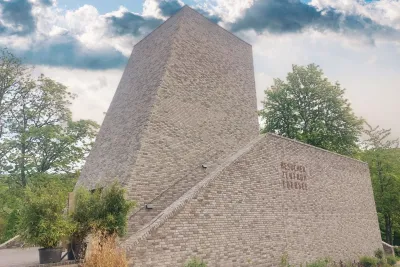
Explore the Edersee Visitor Center, a pivotal site targeted during the iconic Dam Busters raid of WWII. Discover its history, impact, and what to experience today.
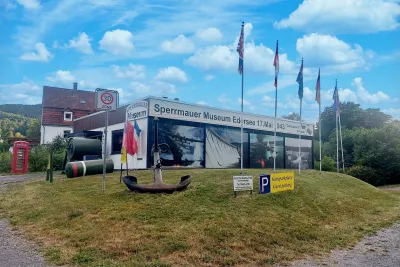
Explore the Sperrmauer Museum and the history of the Edersee Dam, a critical target during Operation Chastise in WWII. Discover its impact and legacy.
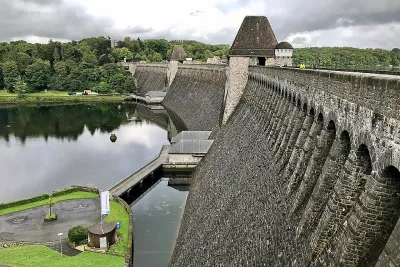
Explore the Möhne Dam, a pivotal WWII site targeted by the Dambusters raid. Feel the history and impact of Operation Chastise in Germany.
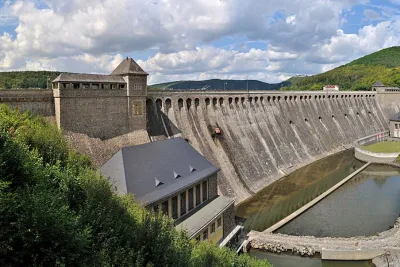
Visit the Eder Dam, a key target of the Dambusters Raid, and immerse yourself in its WWII history. Discover the strategic importance and engineering marvel in Germany.
Plan your World War II trip with guides to museums, battlefields, memorials and historic sites worldwide. Discover the best WWII locations for your next tour.