 Photo: DVIDSHUB / Wikimedia Commons / License: CC BY 2.0
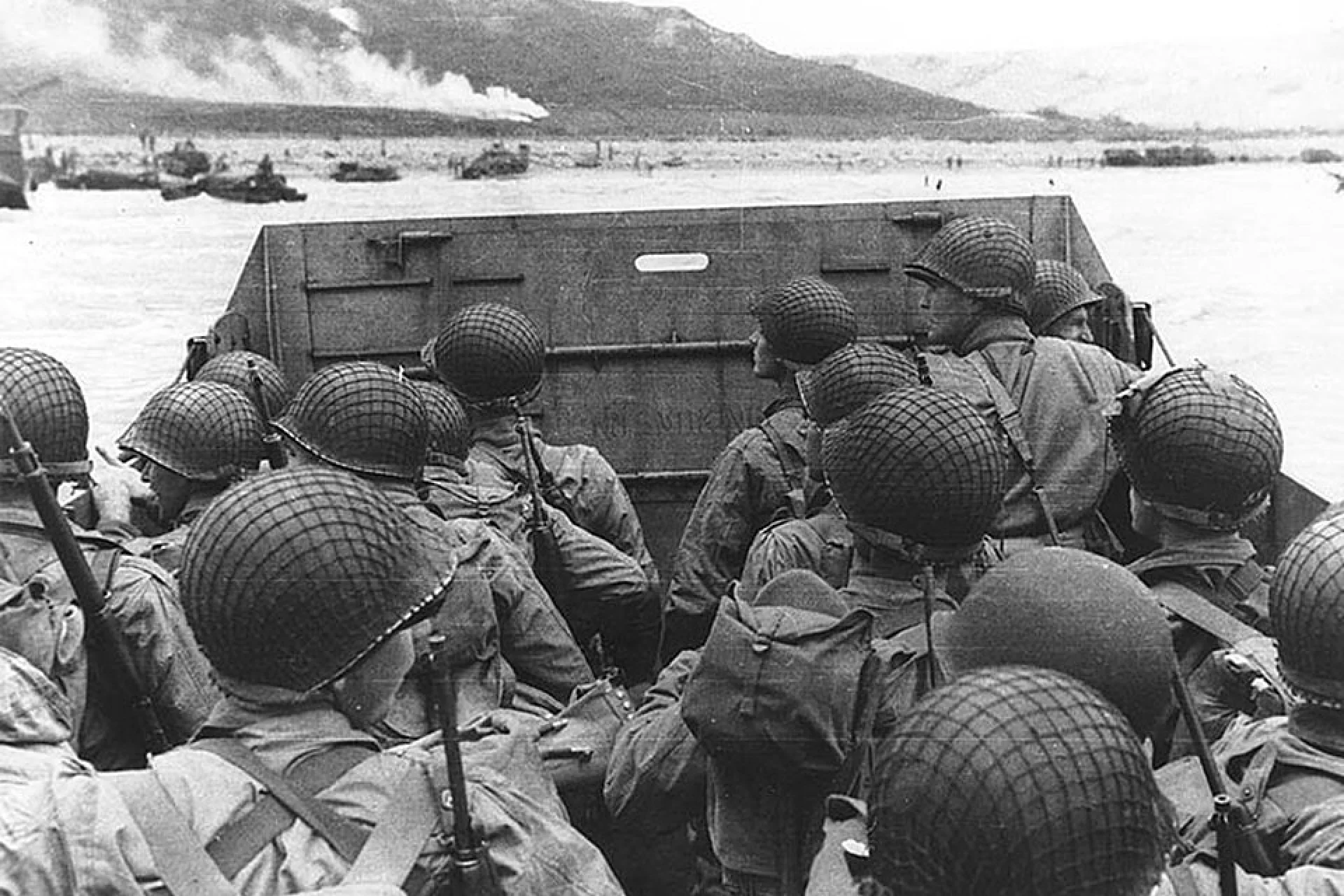
D-Day, the codename for the Allied landings in Normandy on June 6, 1944, marked the beginning of the liberation of Western Europe from Nazi Germany's control. This monumental amphibious invasion involved over 150,000 troops, paving the way for the decisive push towards Berlin and the end of World War II.
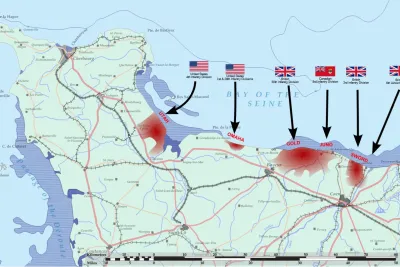
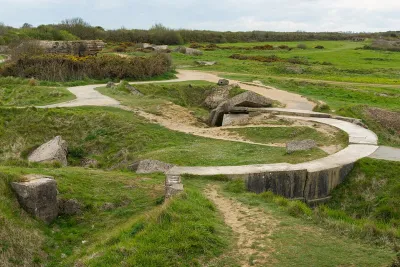
The strategic importance of Normandy as the D-Day landing site cannot be overstated. After years of meticulous planning and deception (Operation Bodyguard), the largest seaborne invasion in history commenced. Allied forces targeted five distinct beaches – Utah, Omaha, Gold, Juno, and Sword – each assigned to different national contingents. The objective was to establish a secure beachhead for troops and supplies to push inland. Fierce resistance met American troops at Omaha Beach, U.S. Rangers scaled Pointe du Hoc, and determined advances occurred across all sectors, highlighting the immense courage and human cost. Parachute and glider troops played critical roles behind enemy lines. The success of D-Day, despite heavy casualties, decisively shifted the war's tide, leading to the liberation of Paris and ultimately the Allied victory. It stands as a testament to international cooperation and the unwavering commitment to freedom.
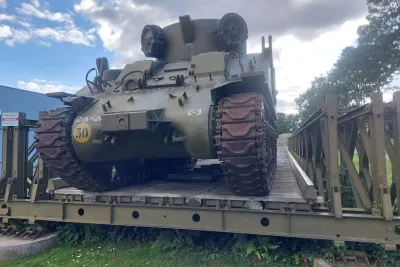
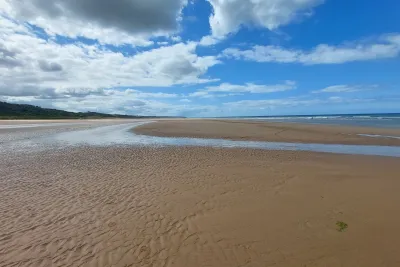
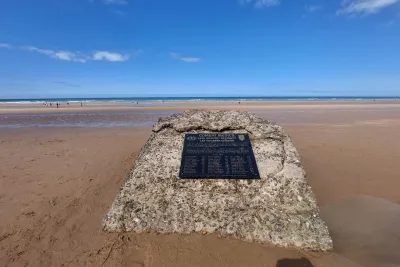
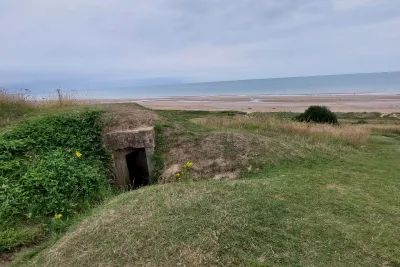
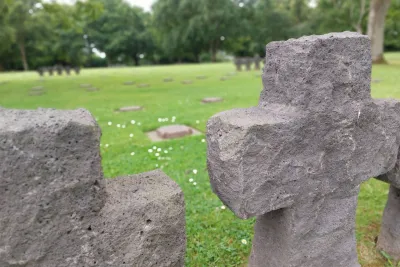
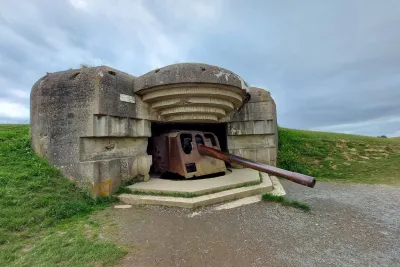
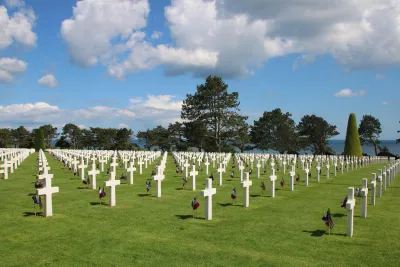
Visiting Normandy offers a profoundly moving connection to D-Day. Travelers can walk the sands of the iconic landing beaches, from the expansive Utah to the solemn Omaha. Preserved German bunkers and artillery batteries, like those at Longues-sur-Mer or Pointe du Hoc, offer stark reminders of formidable defenses. Numerous regional museums, such as the D-Day Museum in Arromanches (with Mulberry Harbour remnants), the Caen Memorial, or the Airborne Museum in Sainte-Mère-Église, present authentic artifacts, personal accounts, and immersive exhibits. The American Cemetery at Colleville-sur-Mer, with its rows of white crosses and Stars of David overlooking Omaha Beach, is a place of quiet reflection and remembrance for the fallen. Beyond major sites, smaller memorials, plaques, and battlefield remnants dot the landscape, each telling a piece of the larger story.
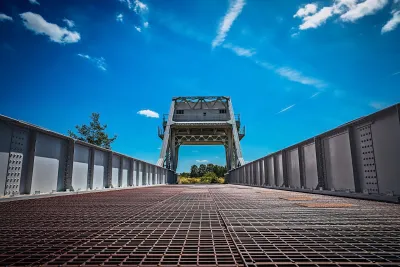
To fully appreciate the D-Day sites, allocate 2-3 days. Plan which sectors (American, British, Canadian) you wish to focus on, as sites are spread widely. Renting a car offers flexibility, though guided tours provide excellent historical context. Essential sites include Omaha Beach and the American Cemetery, Pointe du Hoc, Utah Beach, Sainte-Mère-Église, Arromanches (Mulberry Harbour), and Pegasus Bridge. Wear comfortable walking shoes. Consider visiting outside peak summer (July-August) for fewer crowds. Approach these sites with respect; they are hallowed ground. Many local guides specialize in D-Day history and offer invaluable insights.
Plan your World War II trip with guides to museums, battlefields, memorials and historic sites worldwide. Discover the best WWII locations for your next tour.