
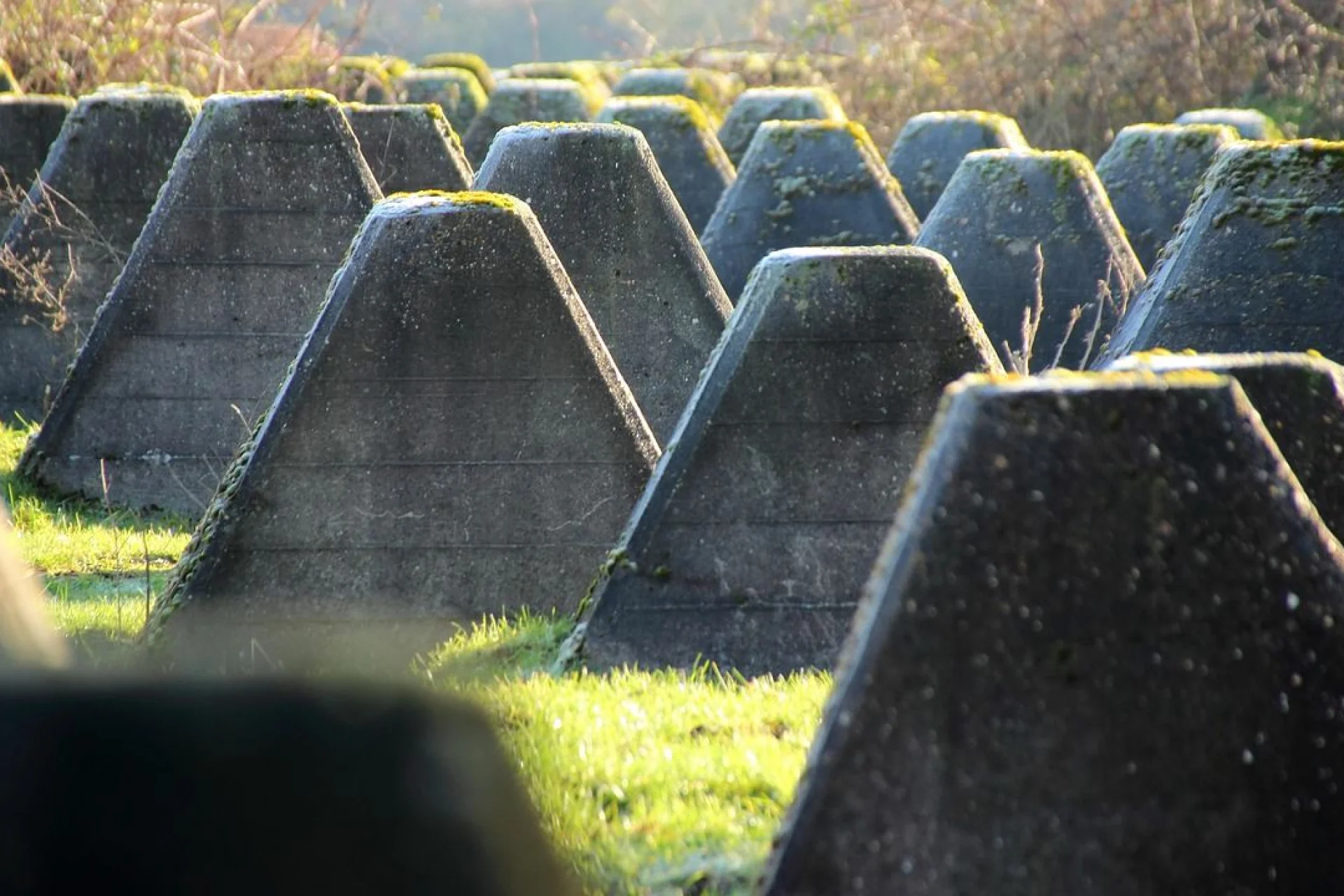
The Westwall, also known as the Siegfried Line, was a massive system of German military fortifications built along Germany’s western border before and during World War II. Stretching from the Netherlands to Switzerland, it consisted of thousands of bunkers, pillboxes, anti-tank obstacles, and defensive positions.
Today, the remains of the Westwall offer visitors a unique opportunity to explore the military history of World War II. Scattered across western Germany, many of these fortifications can still be seen in forests, fields, and along historic border regions.
Westwall tours offer an insight into the planning, construction, and military role of these defensive fortifications. Depending on the location, visitors can explore preserved bunkers, walk along former defensive lines, and discover museums dedicated to the history of the Westwall and the fighting on Germany’s western front.
Some sites focus on the construction of the fortifications during the 1930s, while others highlight the battles that took place during the Allied advance into Germany in 1944 and 1945.
Whether you are interested in military history, battlefield exploration, or historical photography, the Westwall provides numerous opportunities to discover important World War II sites.
The Eifel region contains numerous remains of the Westwall, including bunkers and anti-tank obstacles known as dragon’s teeth. Several sections can be explored along walking trails, offering a closer look at the scale of Germany’s former defensive system.
The Hürtgen Forest, near the Belgian border, was the scene of some of the fiercest fighting on the Western Front in late 1944 and early 1945. Visitors can explore historical sites associated with the fighting, memorials, and surviving military structures in the wider region.
The Saarland contains numerous Westwall remnants, including bunker ruins and sections of the former defensive line. The region is particularly interesting for visitors who want to combine military history with scenic countryside and regional museums.
Several museums and preserved fortifications provide additional context about the Westwall, its construction, and its role in World War II. Opening hours, access conditions, and guided tour availability vary by site, so visitors should check local information before planning a trip.
The Westwall stretches across a large area, making it possible to plan anything from a short visit to a multi-day historical road trip. Many surviving structures are located outside towns and may require a car or a hike to reach.
Before visiting, check whether a site is publicly accessible. Some bunkers are privately owned, structurally unsafe, or protected habitats for wildlife, particularly bats. Never enter sealed or abandoned underground structures without authorized access.
For a more comprehensive experience, combine Westwall locations with nearby World War II museums, memorials, and battlefield sites.
Explore the remains of the Westwall and discover the history of Germany’s western defensive line during World War II.
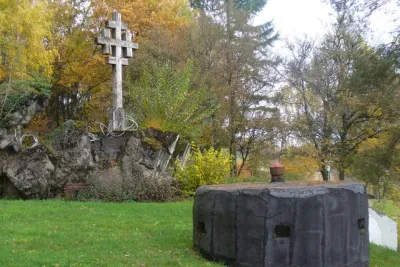
Explore the Westwall-Museum Katzenkopf in Irrel. Walk through original bunkers of the Siegfried Line and feel the legacy of World War II's Western Front.
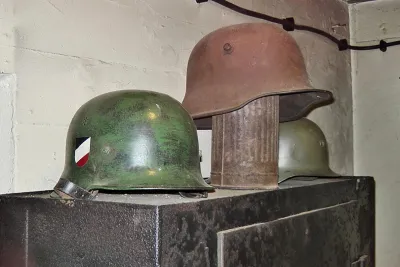
Step into the past at Westwallmuseum Konz. Explore original WWII bunkers and learn about the Siegfried Line's role in defending Germany. A vital historical journey.
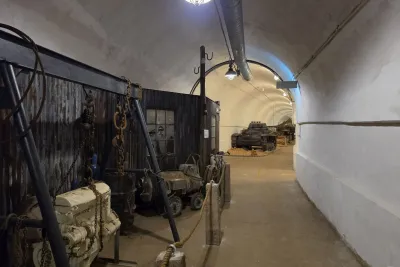
Explore Festungswerk Gerstfeldhöhe, a preserved bunker on the Westwall (Siegfried Line) near Pirmasens. Witness WWII history firsthand.
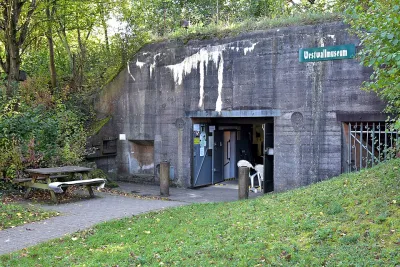
Step into history at Westwallmuseum Bad Bergzabern. Discover the formidable Siegfried Line, its role in WWII, and the human stories behind Germany's Western Front.
Plan your World War II trip with guides to museums, battlefields, memorials and historic sites worldwide. Discover the best WWII locations for your next tour.