
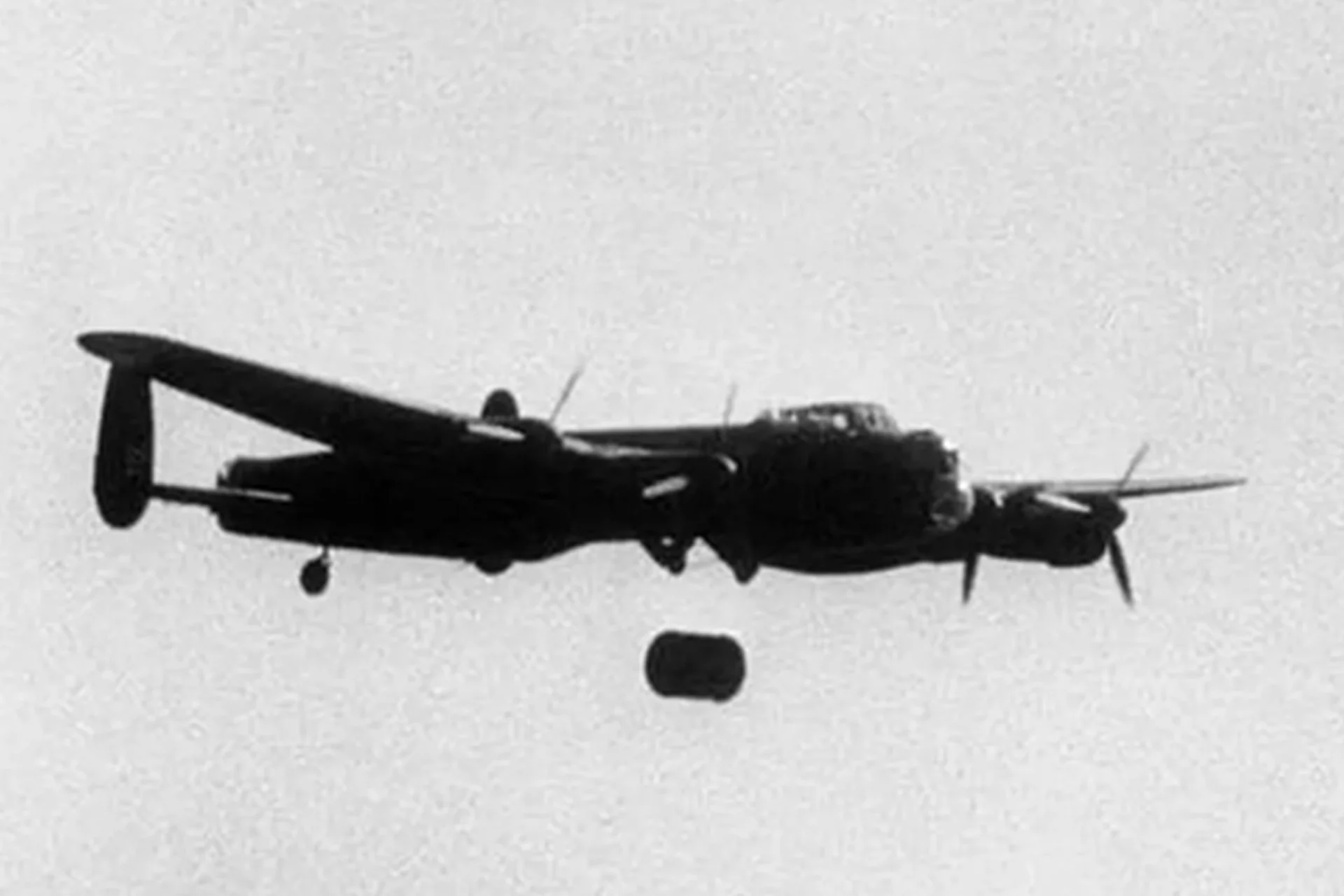
The Avro Lancaster B Mk.III was one of the principal heavy bombers of the Royal Air Force during the Second World War. In May 1943, specially modified Lancasters of No. 617 Squadron used the aircraft in one of the most famous bombing operations of the war: Operation Chastise, commonly known as the Dambusters Raid.
The aircraft used for the operation were specially modified Lancaster Mk III bombers, designated Type 464 Provisioning. Their most distinctive feature was their ability to carry a specially developed cylindrical weapon known as the Upkeep mine.
The Avro Lancaster was a four-engined heavy bomber developed by the British company Avro. It entered RAF service in 1942 and became one of the main heavy bombers of RAF Bomber Command.
The Lancaster had a crew of seven:
Powered by four Rolls-Royce Merlin engines, the Lancaster had a maximum speed of approximately 280 mph (450 km/h) and could carry a substantial bomb load over long distances.
For Operation Chastise, however, the aircraft had to be extensively modified.
The weapon developed for the raid was the Upkeep mine, designed by British engineer Barnes Wallis. It was a cylindrical explosive charge designed to be released from the Lancaster at very low altitude.
The bomb was not simply dropped from the aircraft. It was released while the Lancaster was flying at approximately 60 feet (18 metres) above the water and at a carefully controlled speed.
The Upkeep mine was mounted externally beneath the aircraft. Before release, an electric motor caused the mine to rotate backwards at high speed.
After hitting the water, the rotating mine could skip across the surface, allowing it to travel toward the dam. When it reached the dam wall, it sank and remained against the structure. A hydrostatic fuse was designed to detonate the charge at a predetermined depth.
This required extremely precise flying.
On the night of 16–17 May 1943, No. 617 Squadron carried out Operation Chastise against several dams in western Germany.
The primary targets were:
A total of 19 Lancaster bombers took part in the operation.
The Möhne Dam was breached after several attacks. The Eder Dam was subsequently breached as well. The Sorpe Dam was attacked but was not breached.
The raid caused extensive flooding and damage in the Ruhr and surrounding areas. Industrial facilities, infrastructure and settlements were affected, while a large number of civilians and forced labourers were killed.
The operation came at a high cost for the RAF. Eight of the 19 aircraft were lost, and 53 airmen were killed.
The Lancasters used by 617 Squadron were not standard bombers. They were specially modified Lancaster B Mk.III Type 464 Provisioning aircraft.
Among the modifications were:
The aircraft had to fly at exceptionally low altitude, making the approach extremely dangerous.
The Dambusters Raid required the crews to combine navigation, low-level flying, timing and weapon deployment with extraordinary precision.
The aircraft had to approach the dams at night, maintain an altitude of roughly 60 feet above the water and release the Upkeep mine at the correct distance from the dam.
The crews also had to avoid hills, power lines, anti-aircraft fire and other hazards while operating close to the ground.
The operation demonstrated the potential of specially developed weapons combined with highly specialized tactics, but it also highlighted the significant risks of precision bombing during the Second World War.
Operation Chastise became one of the most famous RAF operations of the Second World War. The Lancaster itself became an enduring symbol of Britain's wartime bomber force.
Today, surviving Lancaster aircraft and preserved components of the Dambuster aircraft are displayed in museums and collections in the United Kingdom and elsewhere.
The raid also remains closely associated with the Möhne and Eder dams, where visitors can still see the locations targeted during Operation Chastise.
For anyone interested in the history of the Second World War, the Dambuster Lancaster provides a direct connection between aircraft technology, RAF Bomber Command, the development of specialized weapons and the events of May 1943.
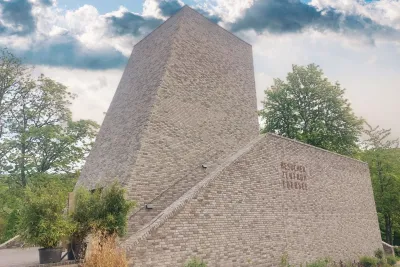
Explore the Edersee Visitor Center, a pivotal site targeted during the iconic Dam Busters raid of WWII. Discover its history, impact, and what to experience today.
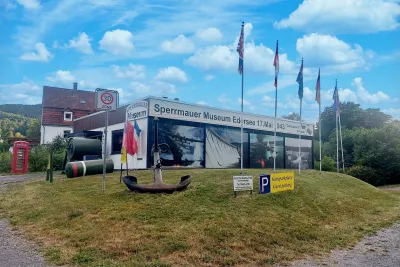
Explore the Sperrmauer Museum and the history of the Edersee Dam, a critical target during Operation Chastise in WWII. Discover its impact and legacy.
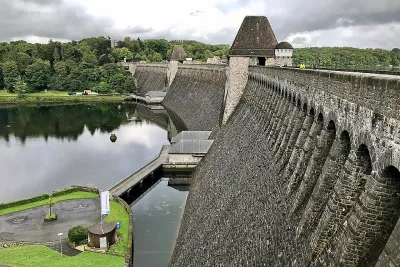
Explore the Möhne Dam, a pivotal WWII site targeted by the Dambusters raid. Feel the history and impact of Operation Chastise in Germany.
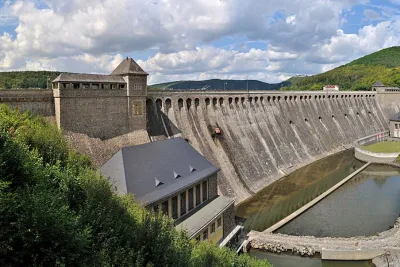
Visit the Eder Dam, a key target of the Dambusters Raid, and immerse yourself in its WWII history. Discover the strategic importance and engineering marvel in Germany.
Plan your World War II trip with guides to museums, battlefields, memorials and historic sites worldwide. Discover the best WWII locations for your next tour.